(407) 890-1541

The benefits of acupuncture and cupping are numerous and well-documented, making these ancient therapies increasingly popular for modern health and wellness. Acupuncture involves inserting fine needles into specific points on the body to balance energy, or Qi. Cupping therapy, on the other hand, uses suction to stimulate blood flow and promote healing. Both treatments date back thousands of years and are deeply rooted in Traditional Chinese Medicine. Today, people turn to these therapies for various ailments, from pain relief to stress reduction. As interest in alternative therapies grows, acupuncture and cupping offer promising options for holistic health.
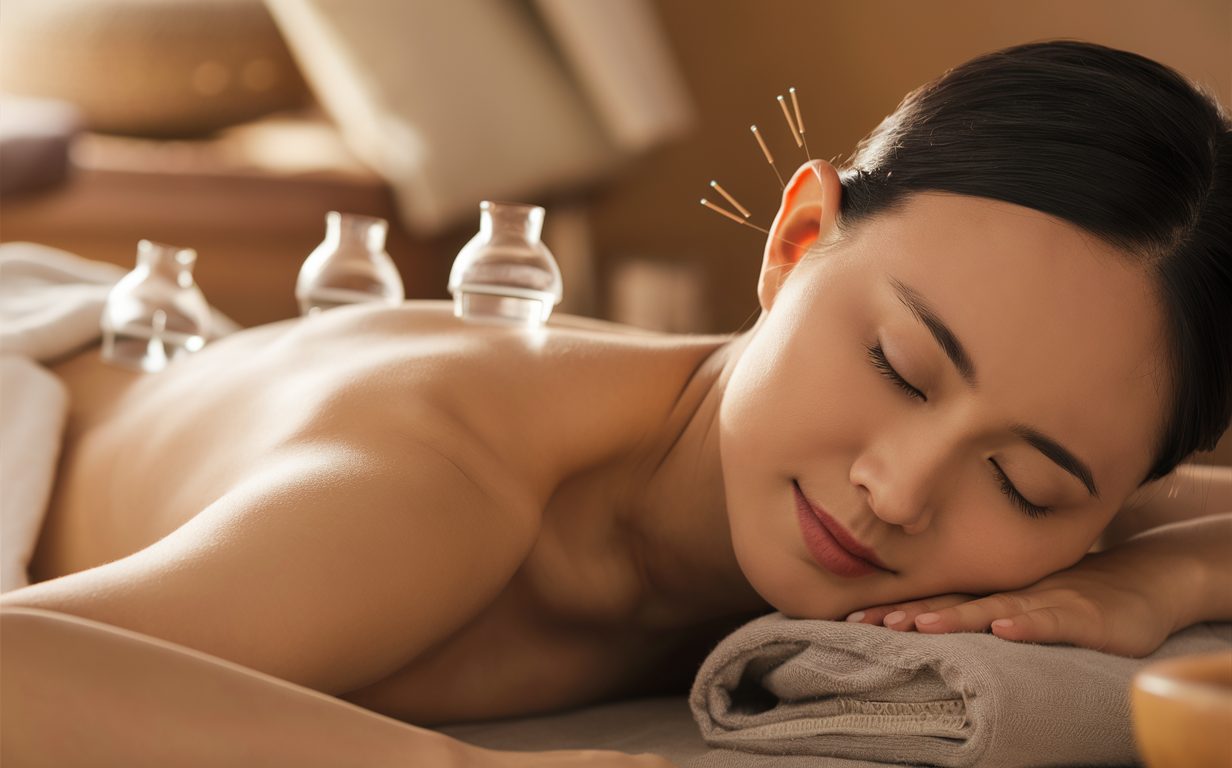
Acupuncture is a form of therapy that involves inserting fine needles into specific points on the body to promote healing and balance. The main idea is to balance the flow of Qi (pronounced "chee"), which is believed to be the vital energy that flows through your body.
There are different types of acupuncture, including electroacupuncture and moxibustion. Electroacupuncture uses small electric currents to enhance the effects of traditional acupuncture. Moxibustion involves burning a herb called mugwort near the skin to warm and stimulate the points.
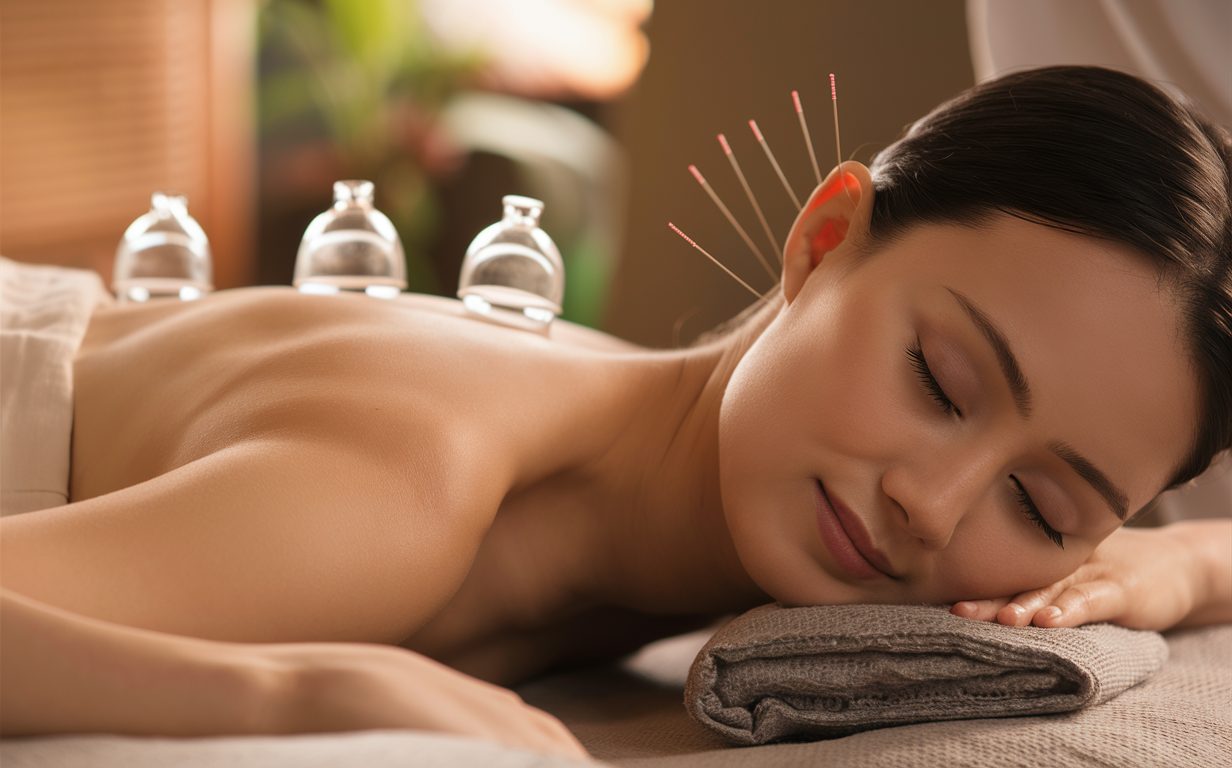
Acupuncture works by stimulating nerves, muscles, and connective tissue. This helps to release natural painkillers and increase blood flow, providing relief from various ailments.
When the needles are inserted, they stimulate your body to release endorphins, which are natural painkillers. This makes you feel better and helps to reduce pain.
Acupuncture also helps to improve blood flow, which can speed up healing and reduce inflammation.
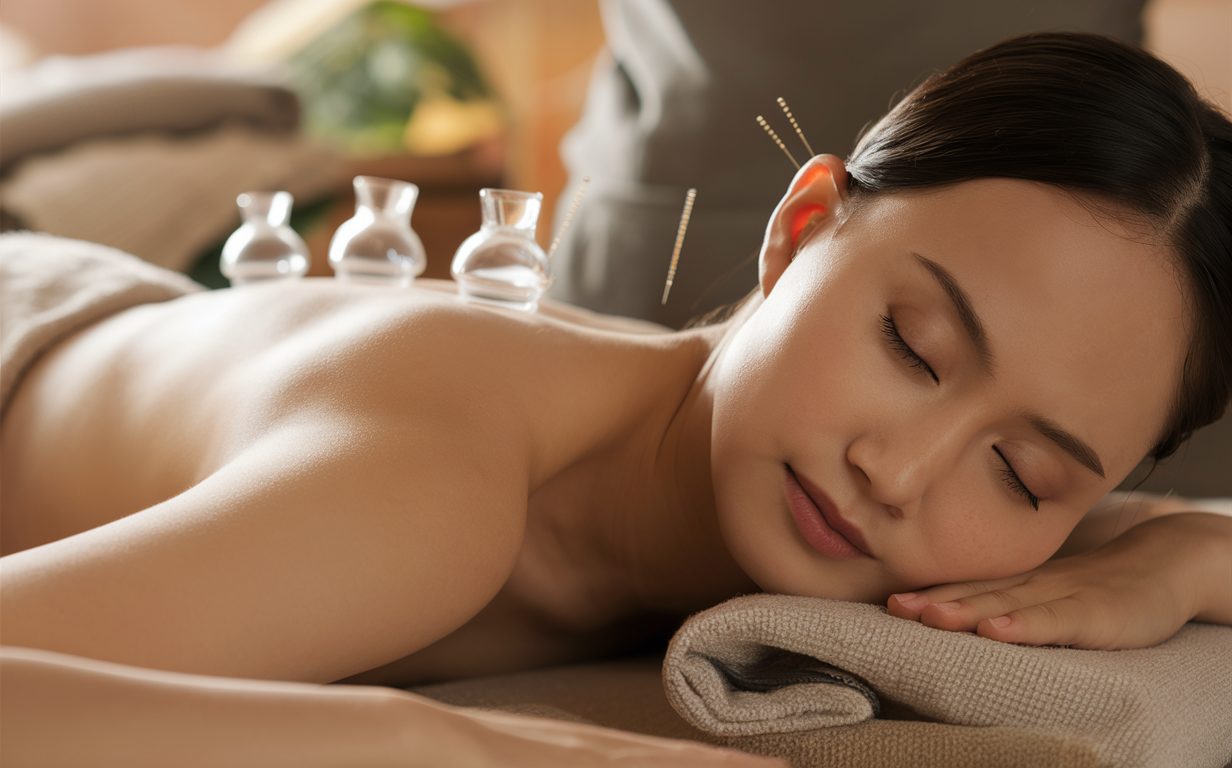
Acupuncture can treat a variety of conditions, including chronic pain, migraines, and anxiety. Many people have found relief through this ancient therapy.
For example, Sarah, who suffered from chronic back pain, found significant relief after a few sessions of acupuncture. John, who had frequent migraines, reported fewer headaches after regular treatments.
By learning about acupuncture and cupping, you can make smart choices about your health and feeling good.
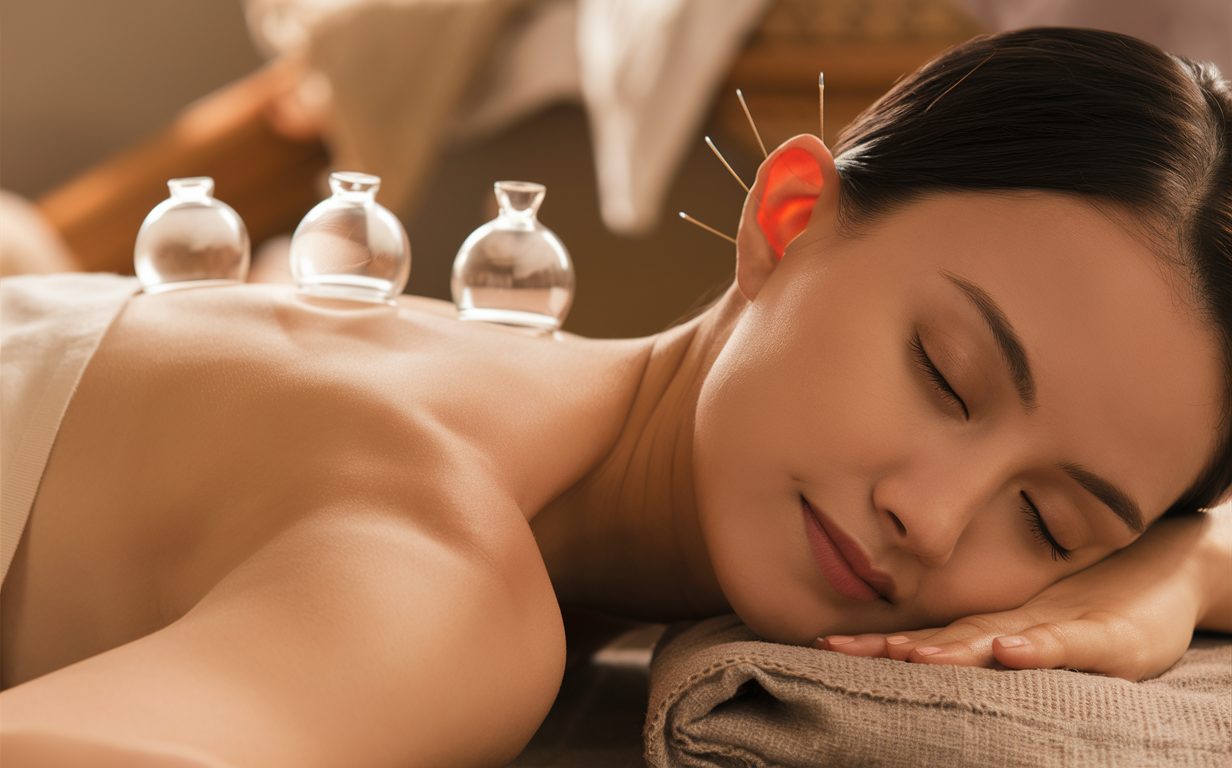
Cupping therapy is a form of healing where cups are placed on the body to create suction. This suction is believed to help blood flow, relax muscles, and make you feel better.
There are many kinds of cupping therapy. Some types include:
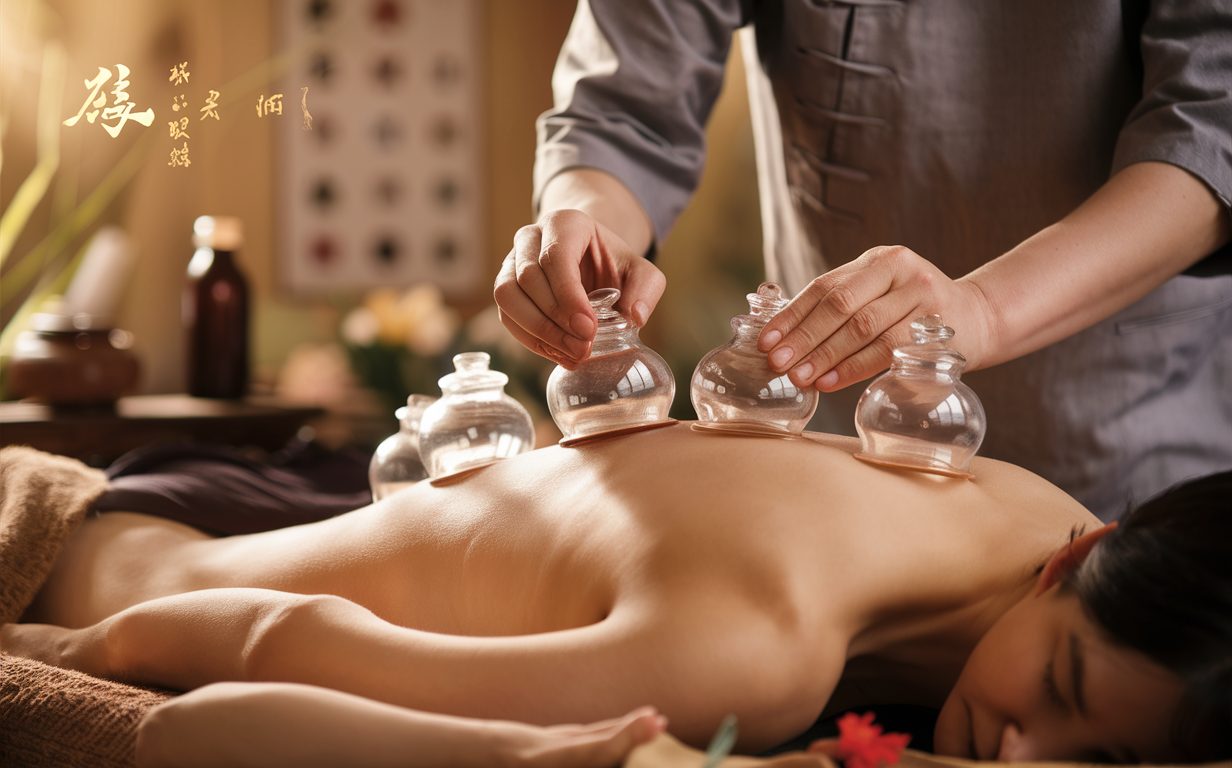
The cups used in cupping therapy gently lift the skin and lower layers. This can help get more blood to the area, which may help it feel better and relax tight muscles.
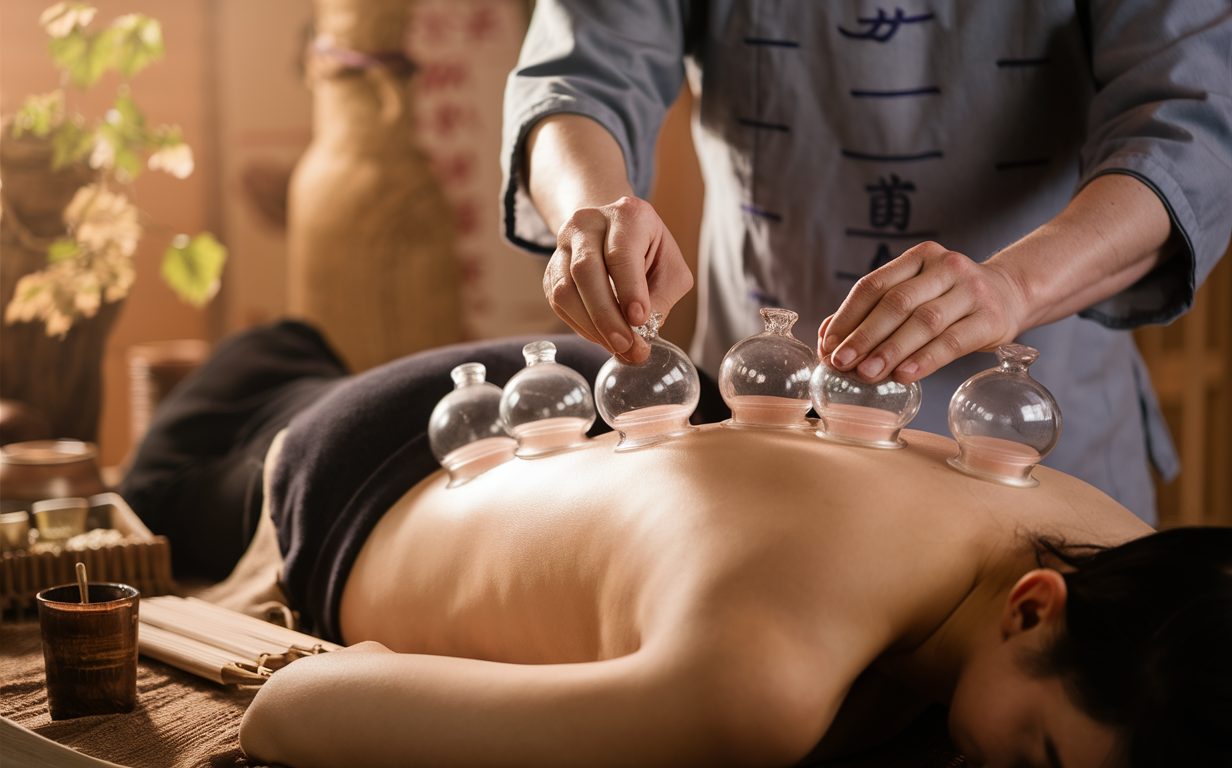
Cupping therapy is used to help with different health problems such as:
Patient testimonials often speak highly of the benefits they experience, describing how cupping has helped them feel better and recover faster.
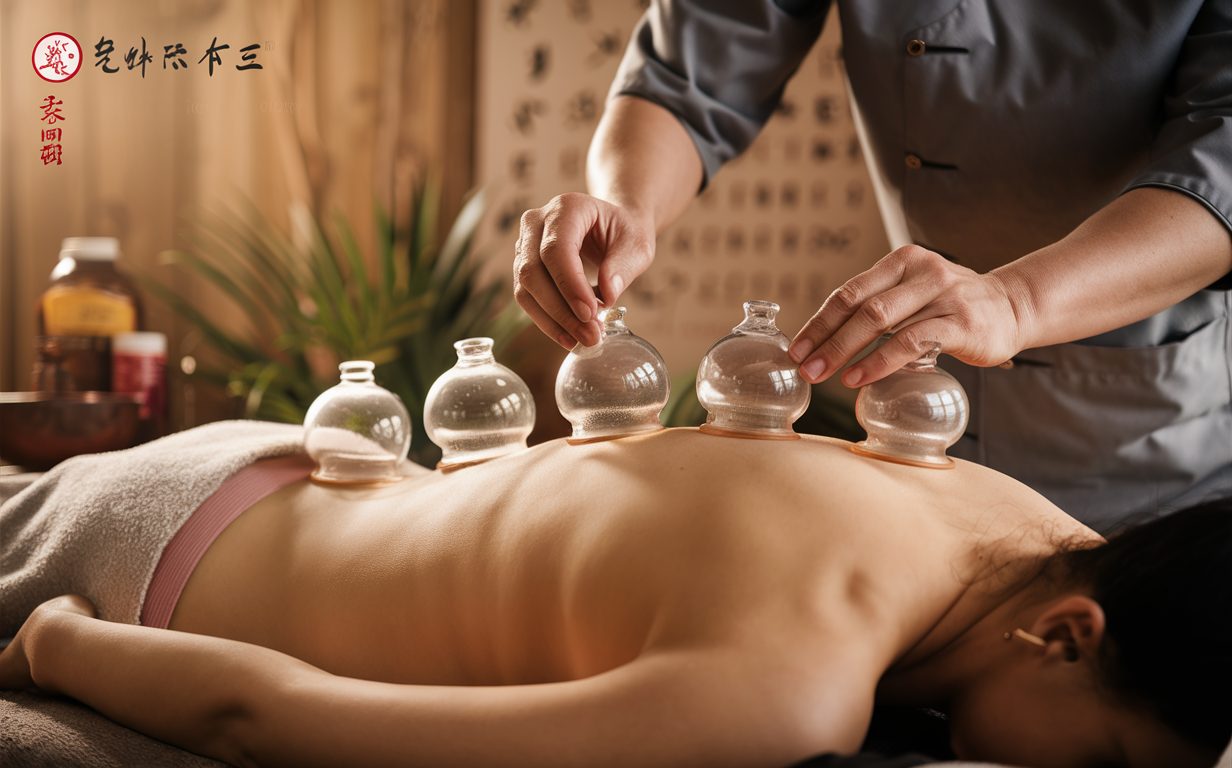
Acupuncture and cupping are two ancient therapies that can work together to improve your health. When used together, they can boost their individual benefits.
Combining acupuncture and cupping can be especially good for pain relief. Acupuncture uses tiny needles to target specific points in your body, and cupping uses suction cups to lift your skin. This combination can help reduce pain more effectively. According to some studies, people who use both therapies often feel less pain quicker.
Both therapies help improve blood flow and remove toxins from your body. Acupuncture helps by improving your body's energy flow, while cupping increases blood circulation to the treated area. This can help your body detoxify more efficiently. Some scientific findings even support these benefits, showing how the combination can enhance your overall health.
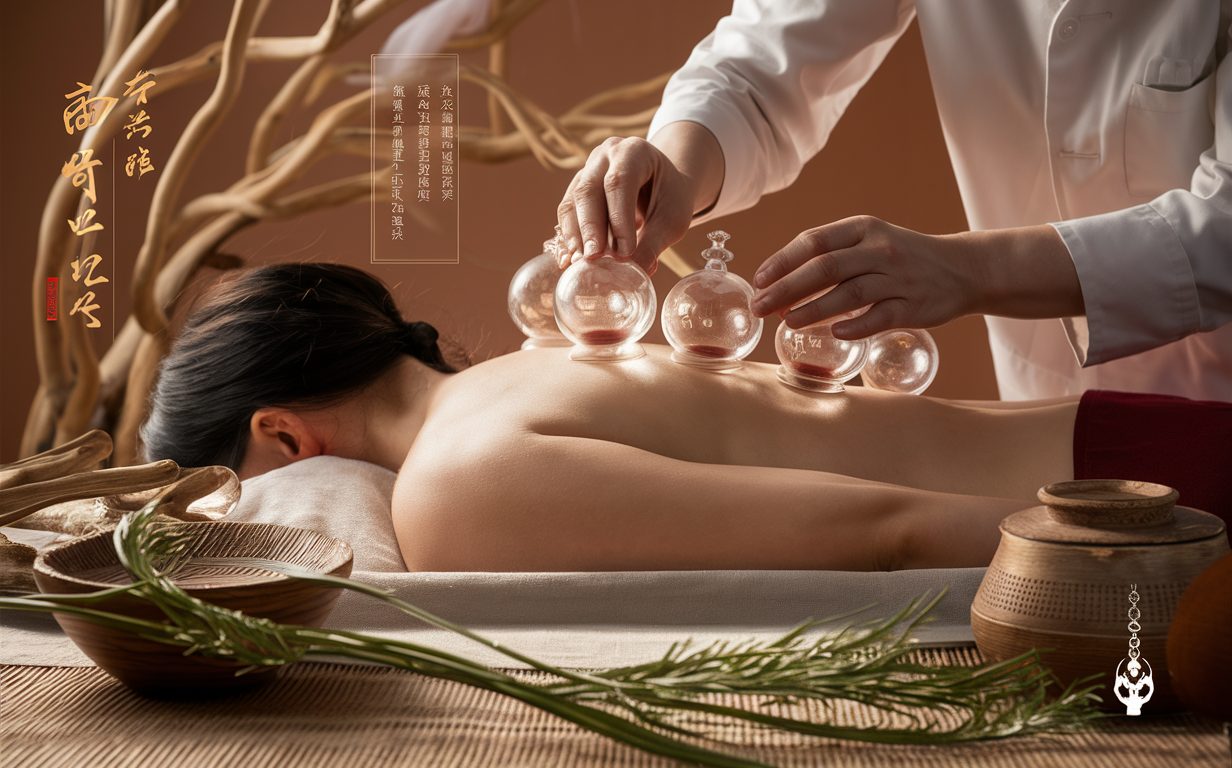
Many people have found relief and improved their health through cupping and acupuncture. For example, Sarah, a 45-year-old teacher, suffered from chronic back pain for years. After trying different treatments, she decided to visit an acupuncture clinic. The combination of acupuncture and cupping therapy significantly reduced her pain. Sarah now enjoys her daily activities without constant discomfort.
John is a 50-year-old man who works in an office. He often got really bad headaches because he spent too many hours at his job. After trying acupuncture and cupping a few times, his headaches did not happen as much and did not hurt as much. John was surprised at how fast and well these treatments worked.
Dr. Lee, a well-known acupuncture practitioner, explains that acupuncture and cupping work by improving blood flow and reducing inflammation. "These treatments help the body heal naturally," says Dr. Lee. He has seen many patients benefit from acupuncture and cupping, especially those with pain and stress-related conditions.
Dr. Kim, who focuses on needle acupuncture using electric currents, adds, "Doing acupuncture and cupping together can make both treatments even better." Dr. Kim thinks these methods can help with many different health problems, from sore muscles to feeling worried or stressed.
These real experiences and expert knowledge show that sticking needles in the skin and using cups on the skin can provide important health help. Whether it’s making pain less or making you feel better overall, these ways to help offer a natural and working solution.
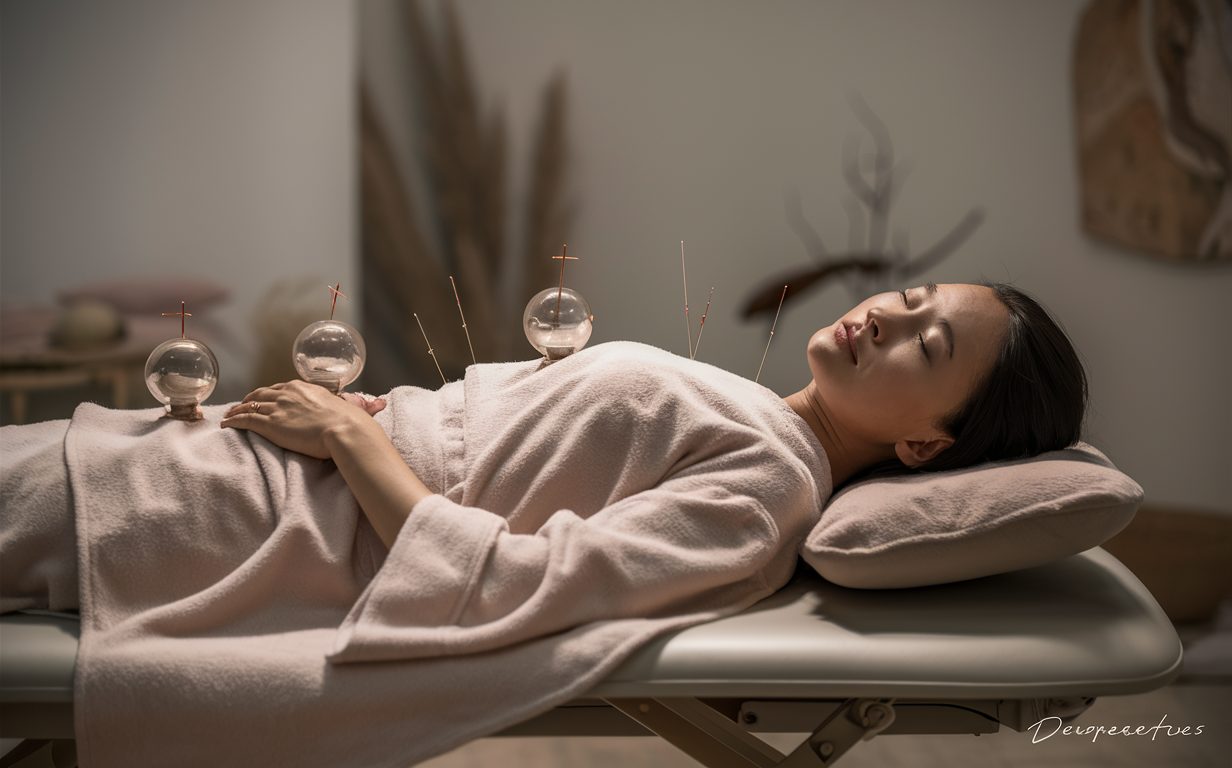
Acupuncture and cupping therapy can offer many benefits, but they also come with some risks. Both treatments involve the skin, which means there is a chance of infection if the equipment isn't clean. Some people may also experience bruising, dizziness, or pain during or after the treatments.
Certain people should avoid these treatments. For example, if you have a condition where you bleed easily or are taking medicines that thin your blood, needle therapy might not be safe for you. Women who are expecting should talk to their doctors before trying these things. People with infections or cuts on their skin should also avoid glass therapy.
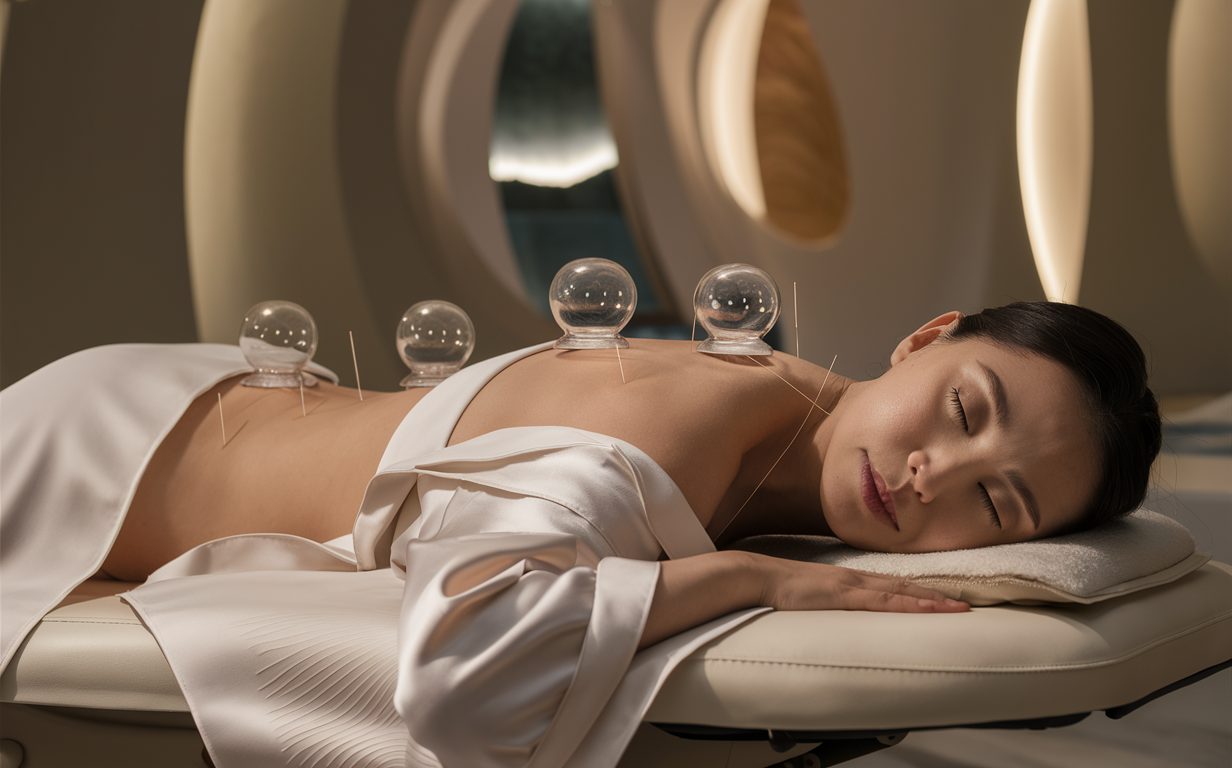
Practitioners should always use clean and sterile tools. For acupuncture, they should make sure the needles are only used once and thrown away properly. For cupping, the cups should be cleaned well to avoid sickness. Practitioners should also be taught and approved to make sure they know how to reduce dangers.
Before starting treatment, people should prepare. Make sure to choose a helper who is properly trained and has experience. You should also talk about your health problems and any medicines you take. This helps the helper make the treatment just for you and prevent any problems.
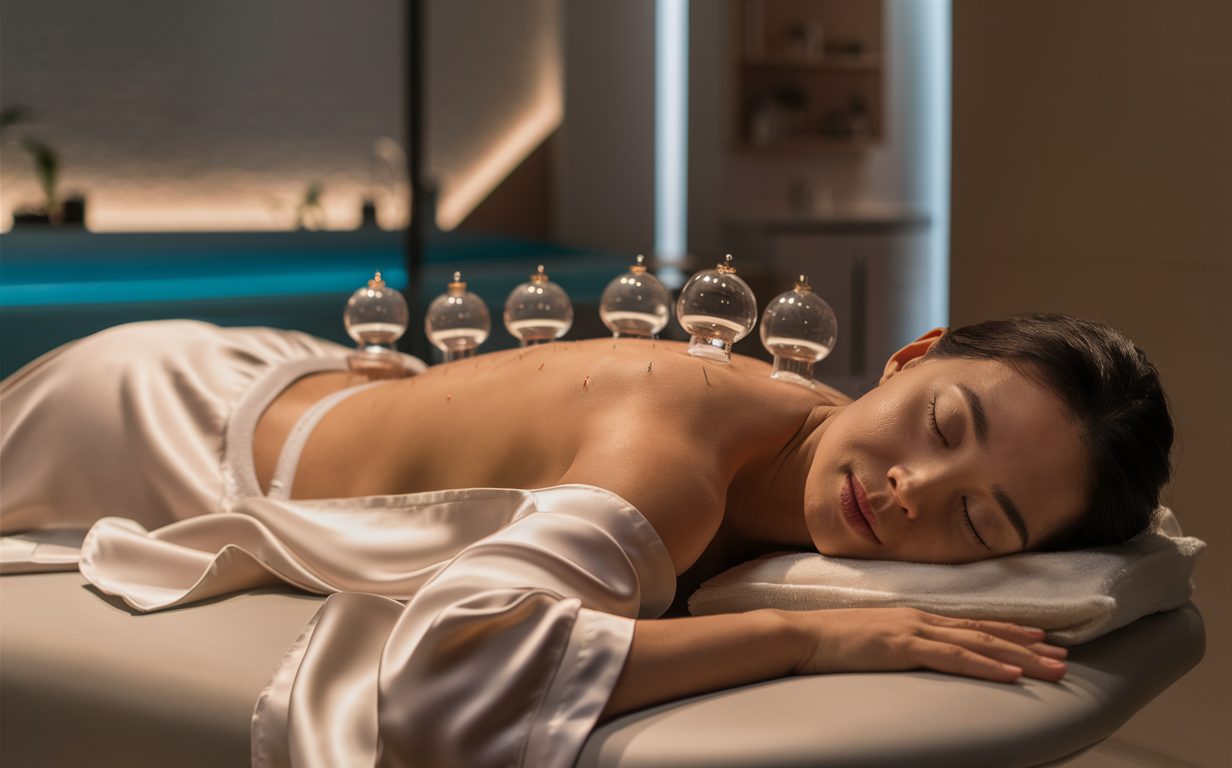
Some health insurance plans may cover needle treatments and cupping. It's a good idea to check with your insurance company to see if these types of care are included in your plan. You may need a note from your doctor to get help paying for it.
The cost of these treatments can vary. Acupuncture appointments can cost between $50 to $150 each time, while cupping therapy may be $30 to $80 for each treatment. To help with expenses, look for places that offer deals where you can pay for multiple sessions together or pay a lower price if you have less money. Some clinics might even charge less the first time you go.
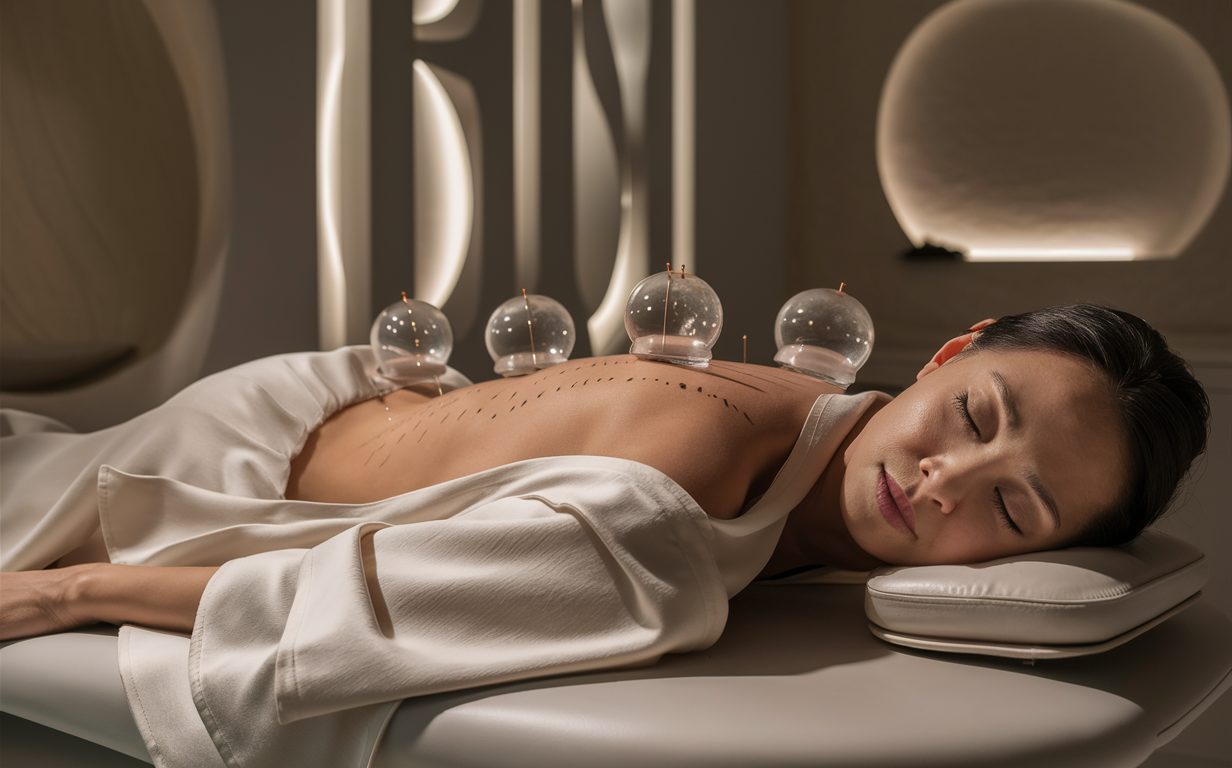
Finding the right person for needle treatment or cupping can make a big difference in your wellness journey. Here are some tips to help you find a qualified helper.
Certifications: Choose people who have certificates from well-known groups. This makes sure they learned the right things and can do the job well.
2. Experience: Opt for someone with several years of experience. Experienced practitioners are more likely to provide effective treatments.
3. Patient Reviews: Read online reviews or ask for recommendations from friends and family. Positive feedback from other patients can give you confidence in your choice.
When choosing a doctor, it's important to ask the right questions:
What kind of help do they offer? Do they make a special plan for each person?
2. Expected Outcomes: What results can you expect? How long will it take to see improvements?
3. Safety Protocols: What safety measures are in place? Especially ask about their sterilization procedures and how they handle any potential side effects.
Understanding what happens during a meeting can help ease any worries you might have:
A typical acupuncture session involves putting thin needles into certain spots on the body in specific places, while cupping uses suction cups to get blood moving better.
2. What to Wear: Wear loose, comfortable clothing. This allows easy access to the areas that need treatment.
3. Duration: Sessions usually last between 30 minutes to an hour. Aftercare advice often includes staying hydrated and avoiding strenuous activities.
You can find someone who can help you feel better from acupuncture and cupping. Follow these rules to find someone good at it.
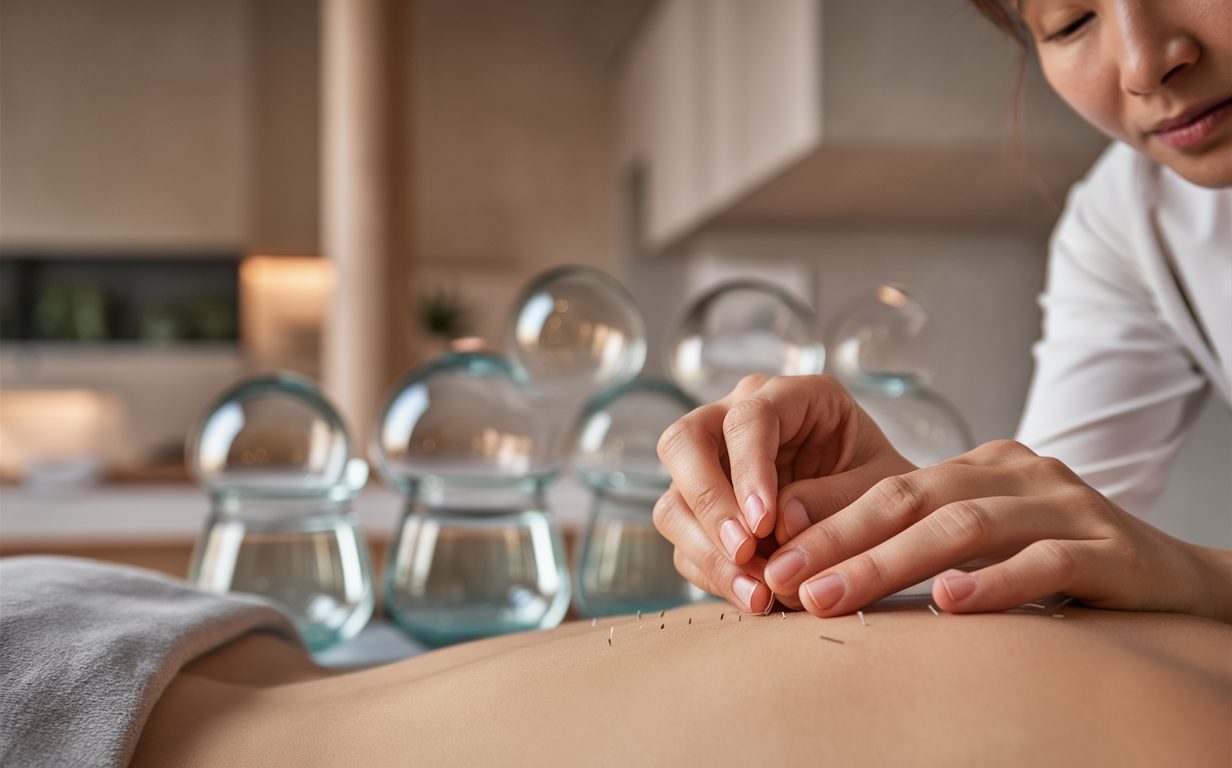
Adding acupuncture and cupping to your health plan can provide lots of good effects for your body. These treatments work together to help with pain, get blood flowing better, and clean out toxins. At Lake Mary Wellness Center, we blend old healing methods with new ones to give complete care. Ready to try these natural solutions? Call us at (407) 890-1541 to pick a time for your visit. Let’s work as a team to feel better. Don’t miss out on seeing how acupuncture and cupping can change you for the good.
